26 April 2010 | Lavhali, Tal. Ambernath
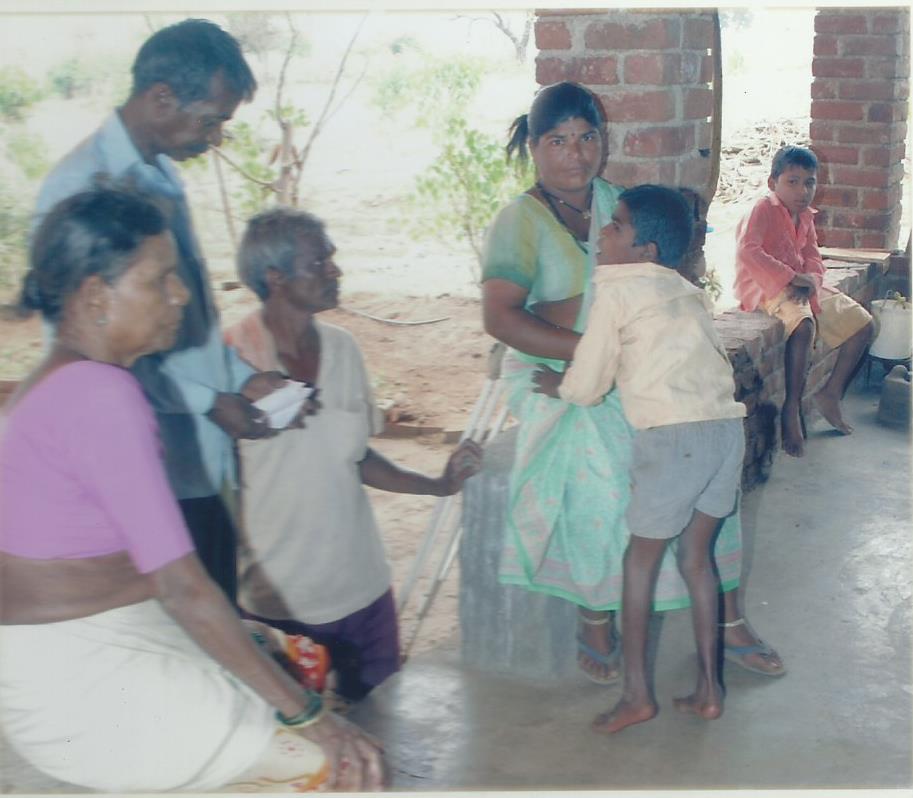
In 2010, Lakshya Foundation was still a young organisation. Much of its early work had begun with something simple: walking into tribal hamlets, meeting families and understanding what made everyday life difficult.
Healthcare was one of the clearest concerns.
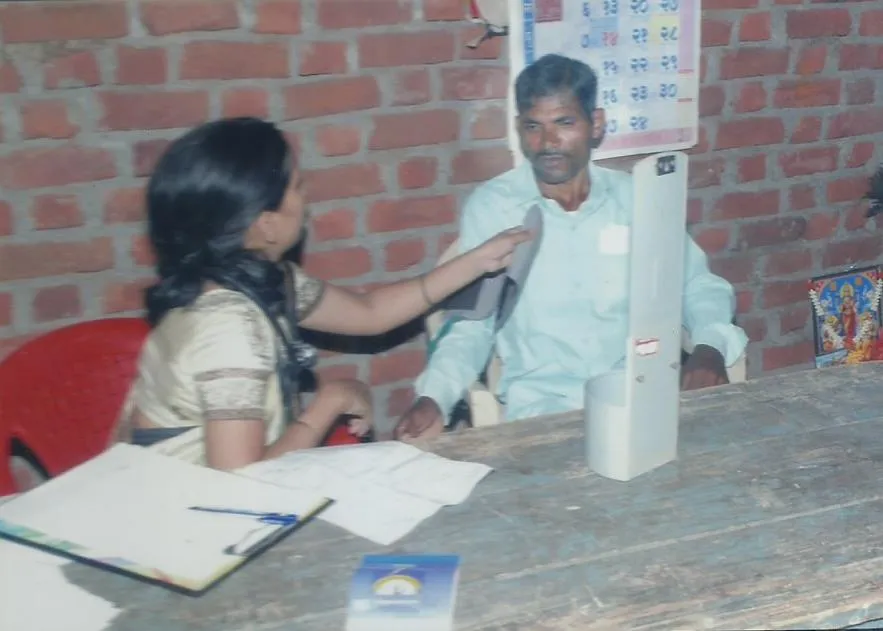
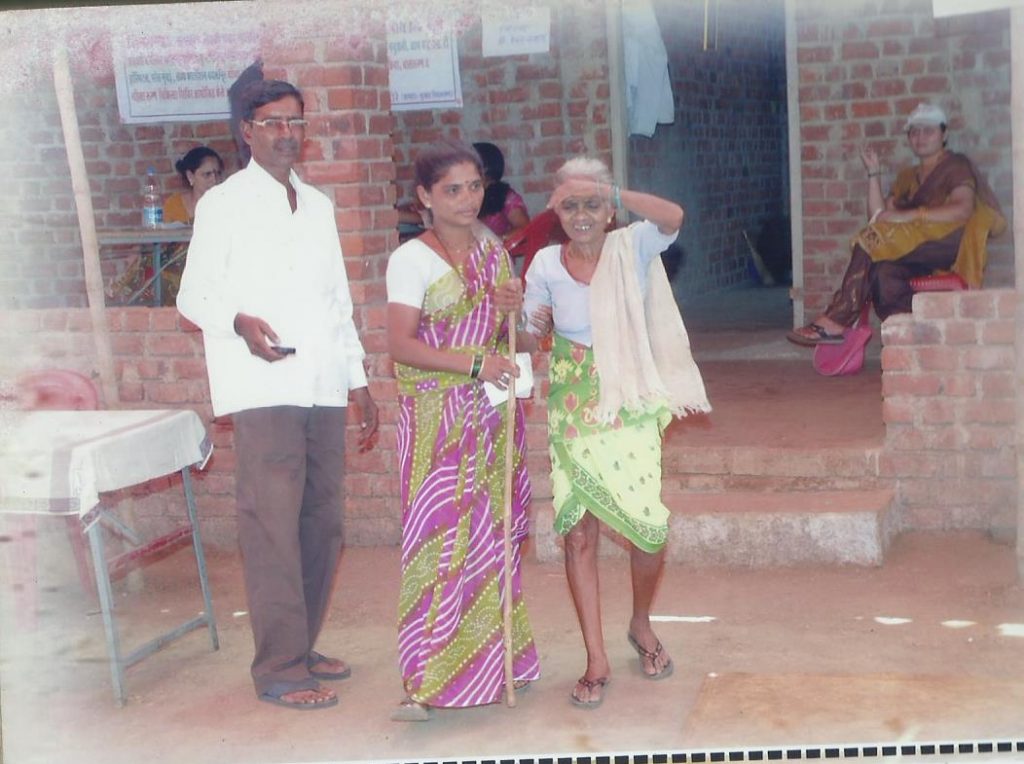
For many families in and around Lavhali, seeing a doctor meant travelling a long distance, often on foot and then by public transport. For an elderly person with poor eyesight, a woman living with an untreated health problem, or a family with young children, that journey itself could be enough to postpone treatment.
So, instead of asking villagers to make that journey, Lakshya Foundation decided to bring the doctors to them.
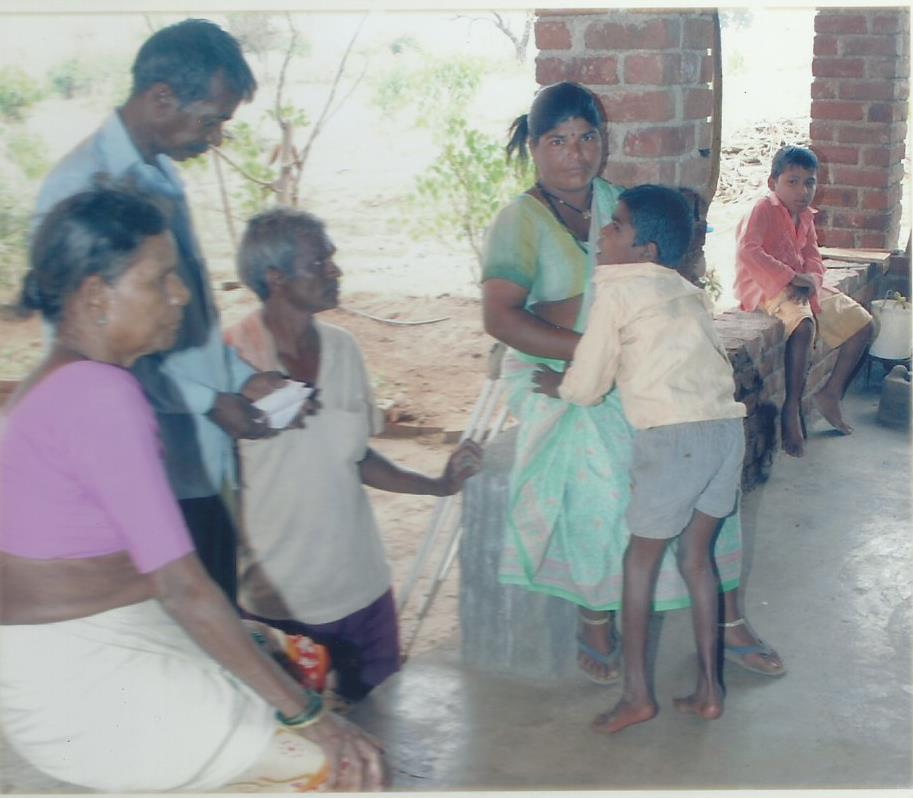
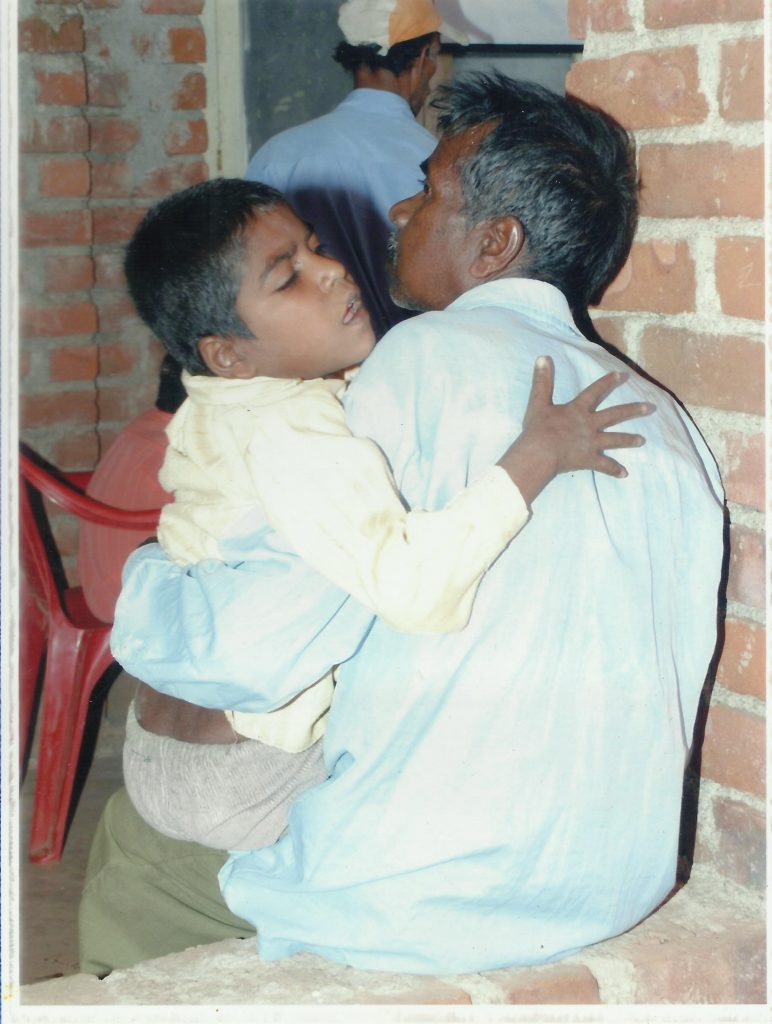
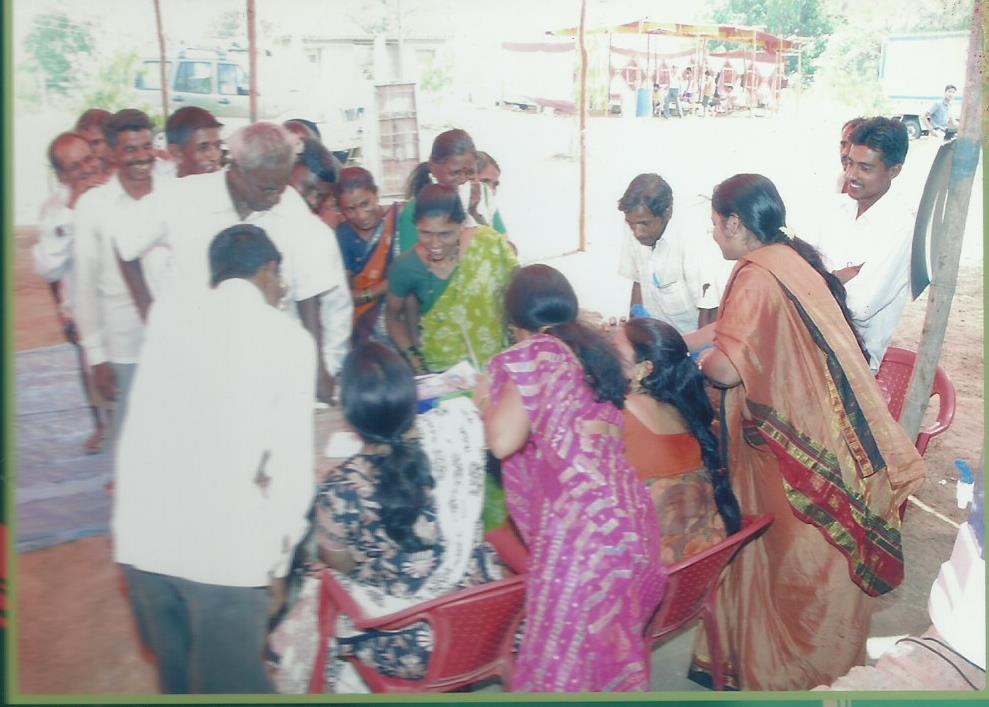
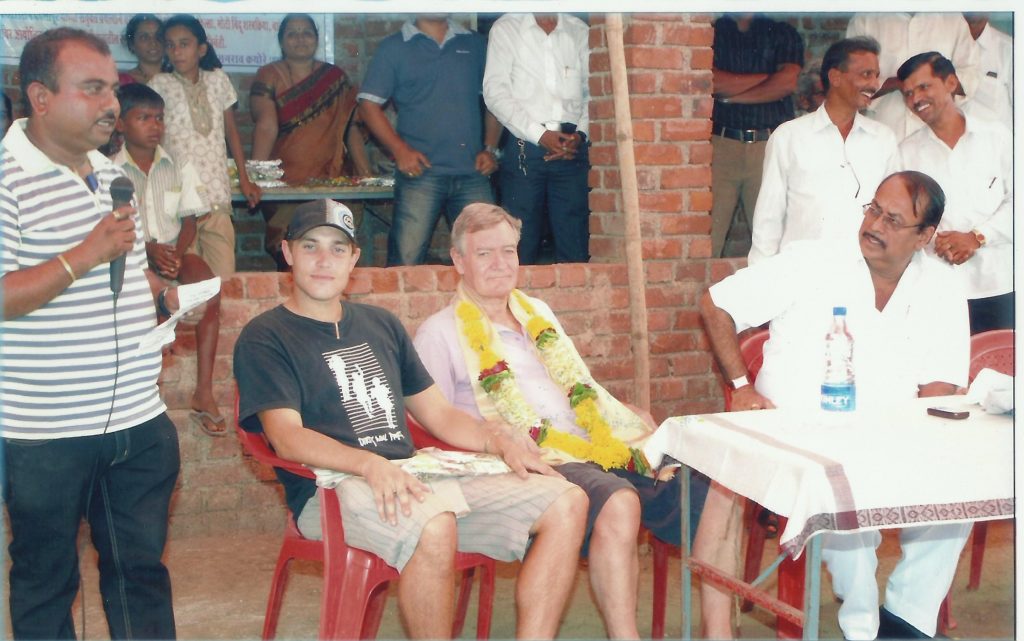
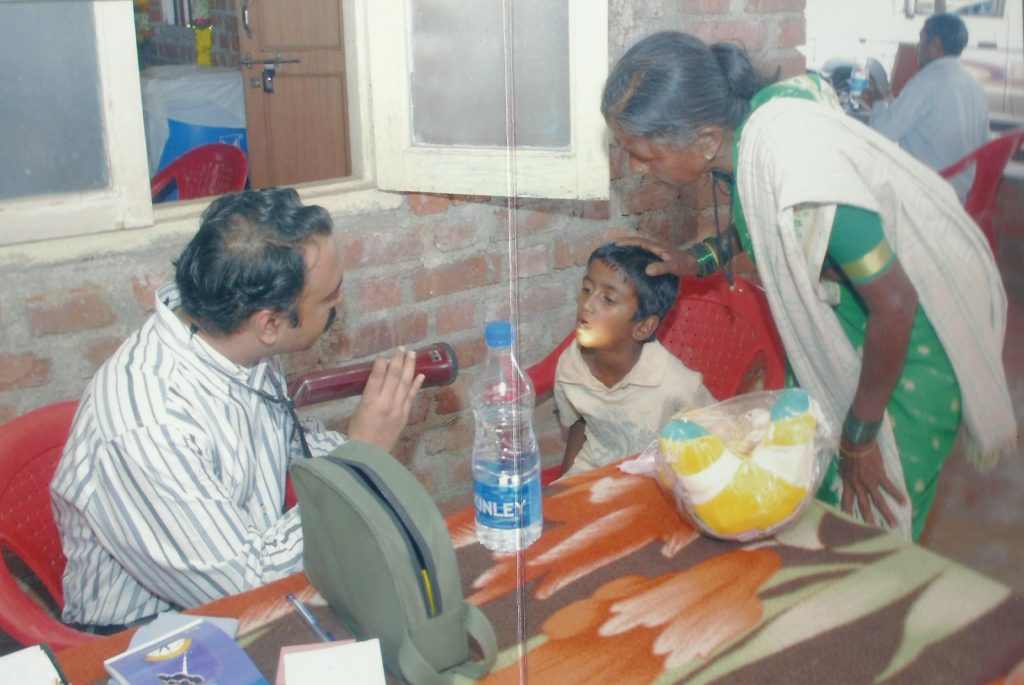
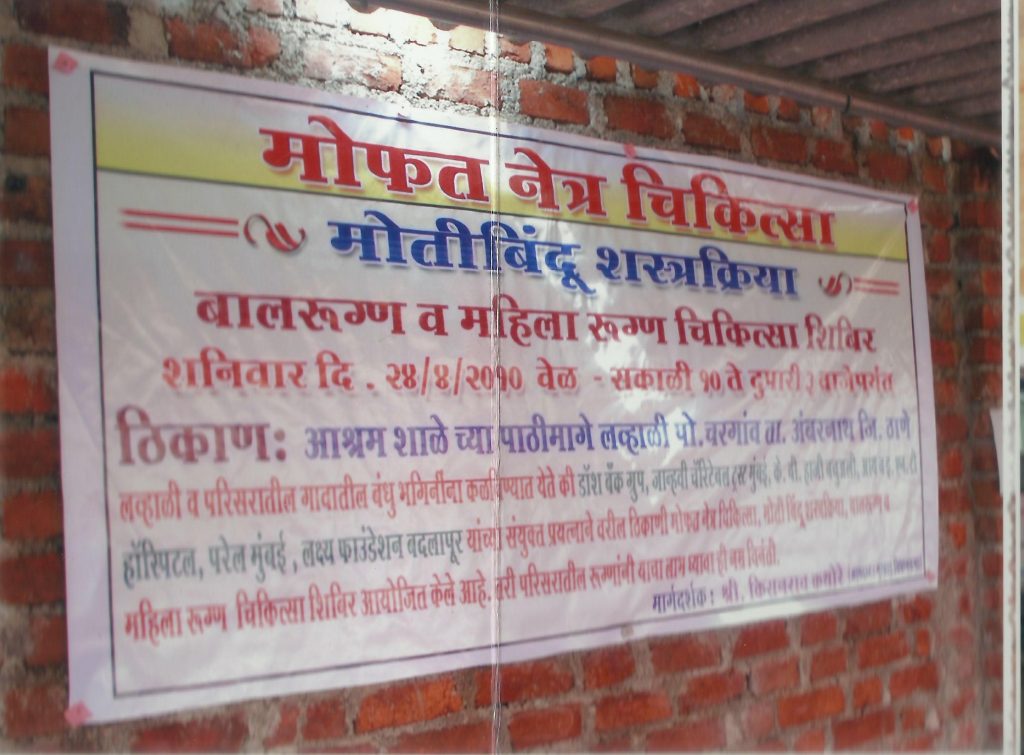
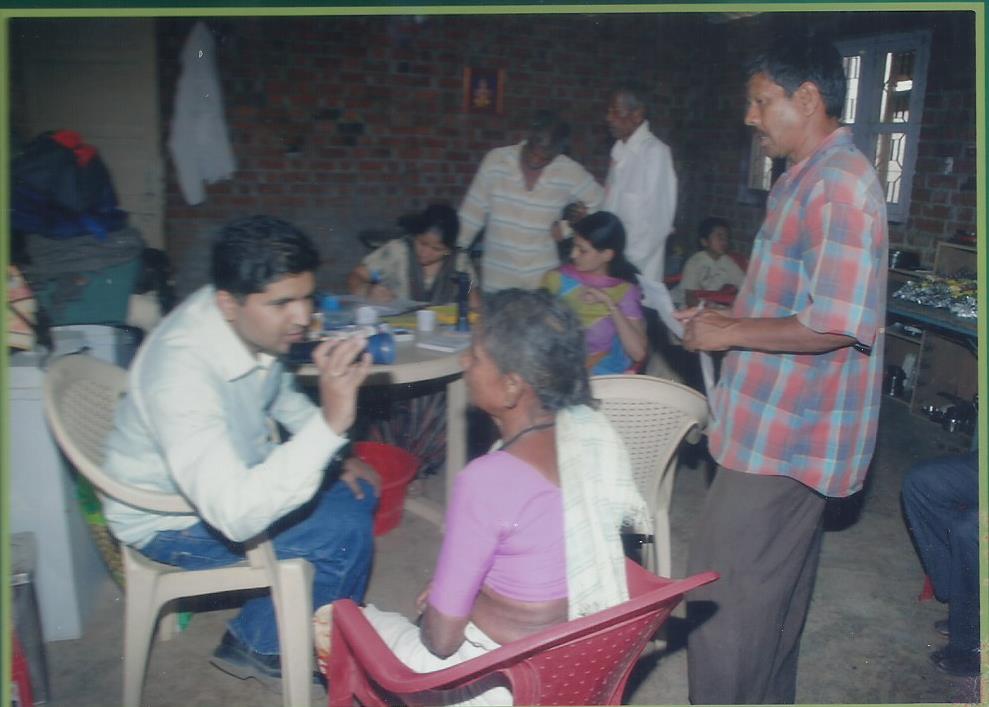
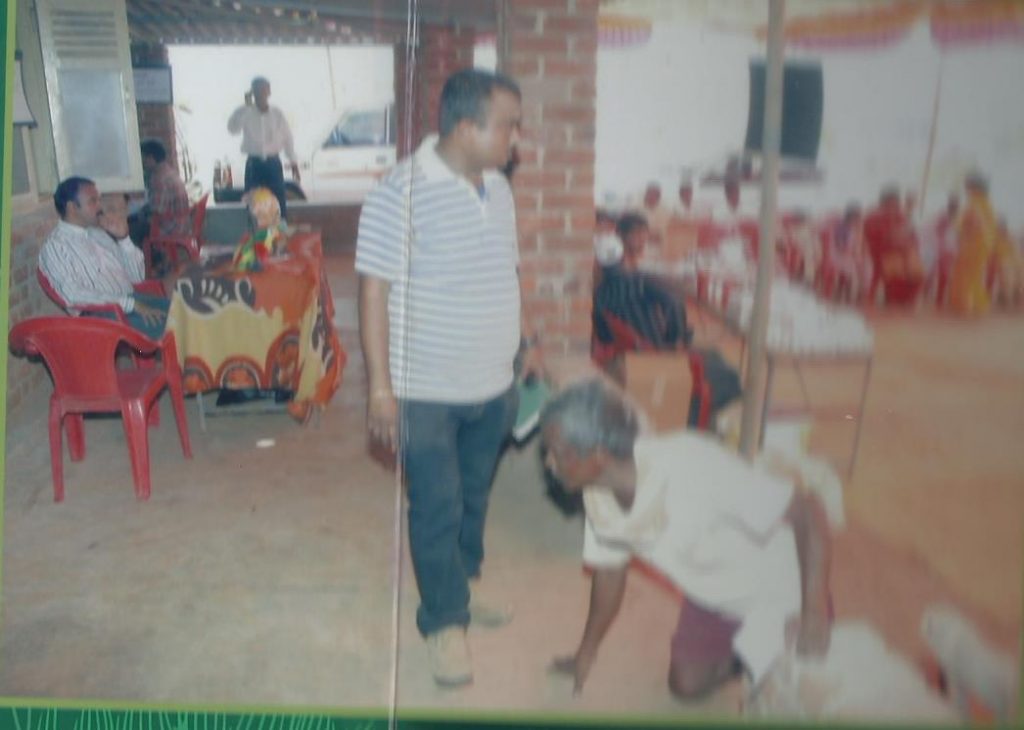
On 26 April 2010, a free medical and eye-care camp was organised at Lavhali with the support of Janhvi Charitable Trust, Dirty Wall Project, Deutsche Bank Group and K. B. Haji Bacchu Ali Eye & ENT Hospital, Parel.
It was one of Lakshya Foundation’s earliest major field initiatives.
A village becomes a health camp
From the morning, people began arriving from Lavhali and neighbouring tribal hamlets. The Foundation had arranged transportation for people who needed help reaching the camp, so that distance would not become another reason to stay away.
The camp brought together doctors from different fields.
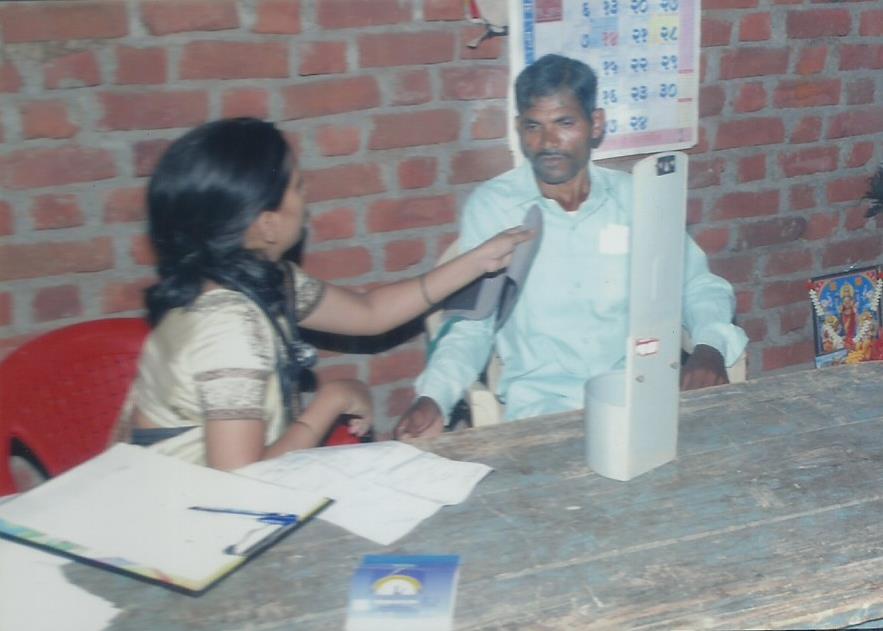
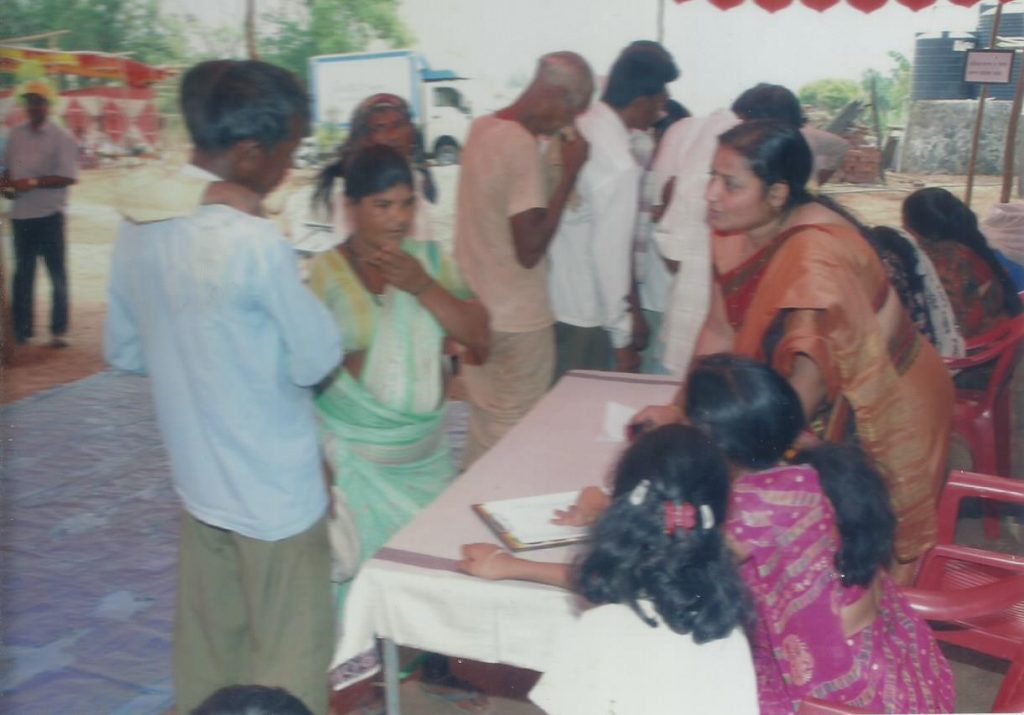
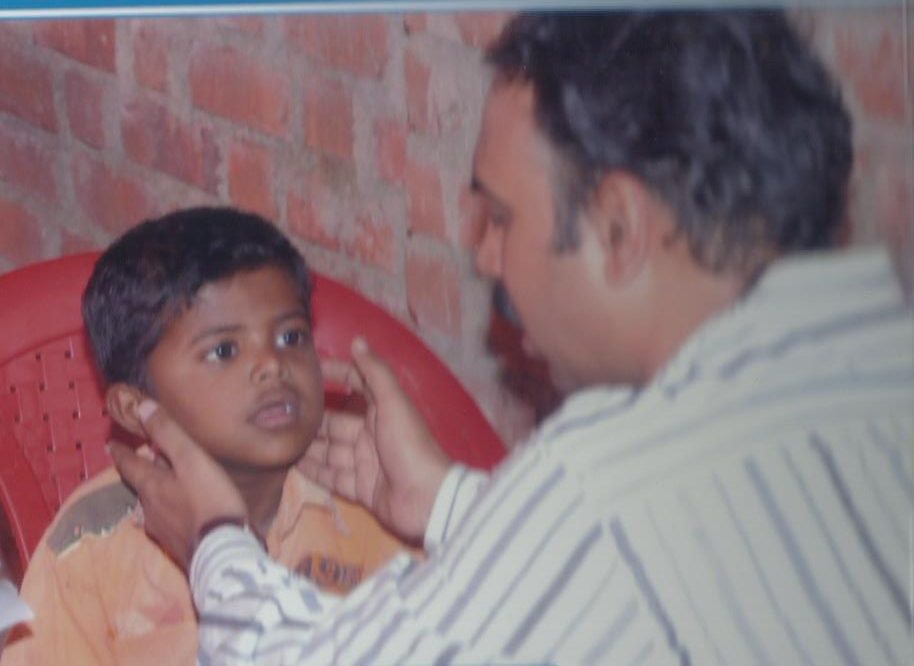
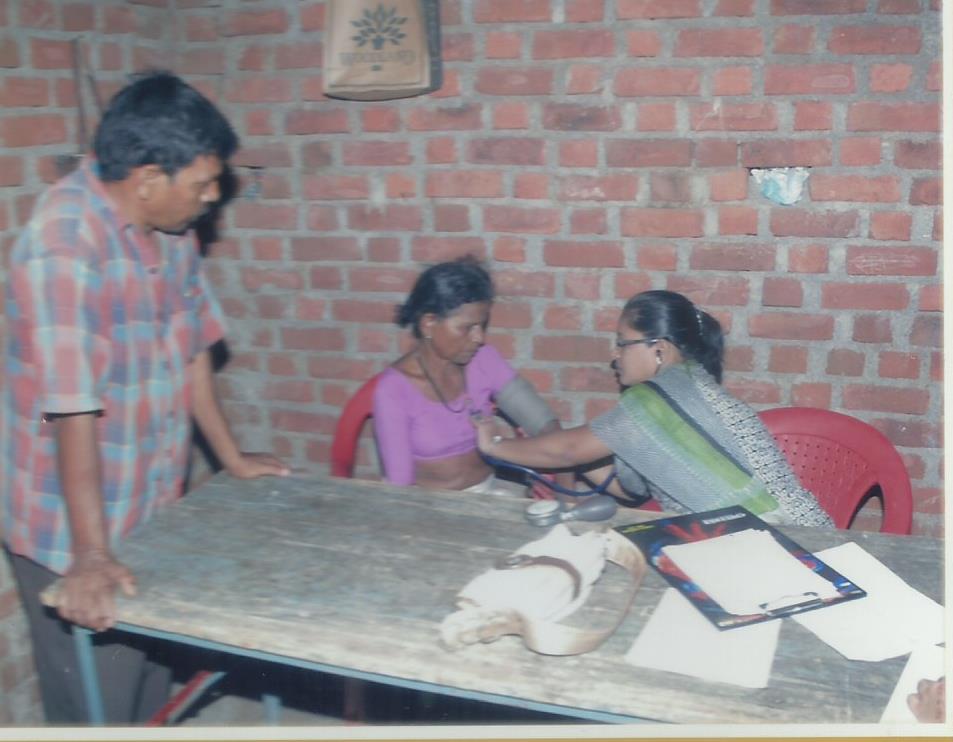
Children were examined by paediatricians. Women could speak privately with gynaecologists about problems that had often gone untreated. General physicians conducted health check-ups and offered medical advice. Ophthalmologists examined villagers for vision problems and cataracts.
By the end of the camp, around 300 villagers had received medical and eye examinations.
For the Lakshya team, the day also brought an important lesson. The villagers did not fit the assumptions that people from outside the area might make about their health. Most were found to be in reasonably good health.
But the eye examinations revealed a problem that could not be ignored.
27 people who needed more than a check-up
The doctors identified 27 people with cataracts.
A medical camp could identify the problem, but that was only the first step. Lakshya Foundation and its partners followed up by arranging for these patients to receive cataract surgery at K. B. Haji Bacchu Ali Eye & ENT Hospital in Mumbai.
All 27 surgeries were successfully completed.
For people whose eyesight had gradually deteriorated, the intervention meant something very practical: they could see again.
And for Lakshya Foundation, it was an early lesson in what meaningful field work required. Finding a problem was not enough. Someone had to stay with the person until the problem was actually addressed.
A team behind the work
The camp was not the work of one person or one organisation.
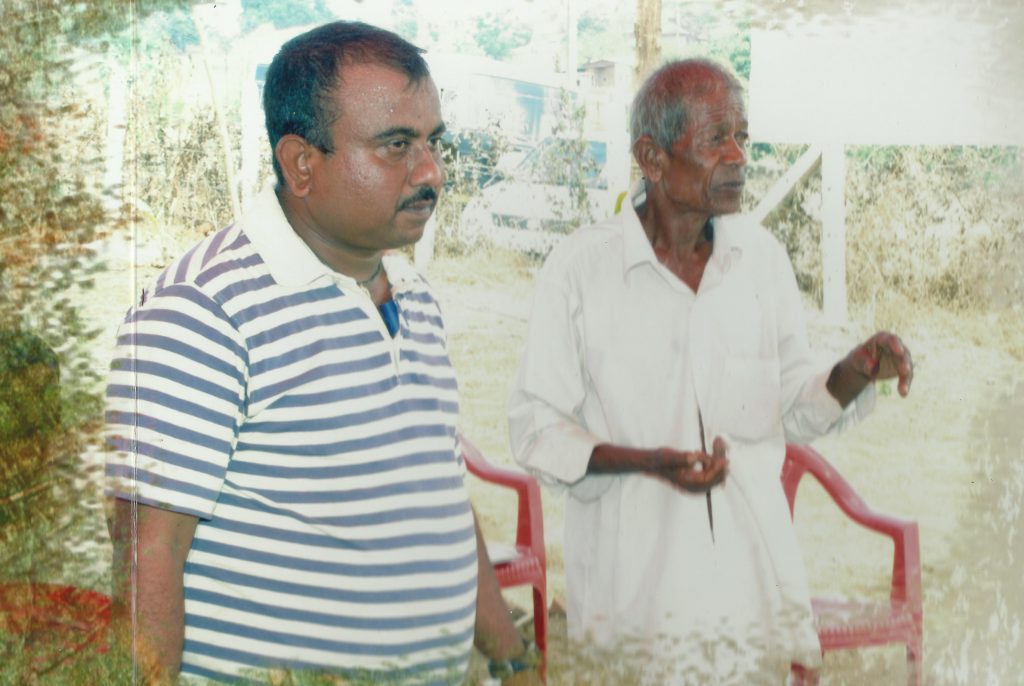
Shirish Patil, Founder and Chief Trustee of Lakshya Foundation, guided the Foundation’s efforts. Around him, trustees and volunteers took care of the many details that make field work possible—from coordinating with the medical team to arranging transport and helping villagers through the camp.
People including Chandrakant Kadav, Vishal Bhalekar, Anil Jadhav, Mukesh Valodra, Mahendra Rode, Lalita Patil, Prachi Batwalkar and Bhavna Thakare were among those who worked to make the camp possible.
The medical team and partner organisations brought their own expertise and resources. Doctors including Dr. Rajiv Brahmane, Dr. Cholkar, Dr. Sachin Mahajan, Dr. Hemant Chavan, Dr. Jyoti Chavan and Dr. Misal contributed to the medical services, while partners including Janhvi Charitable Trust, Dirty Wall Project and the hospital in Parel helped make specialist care available to people who otherwise had limited access to it.
This combination—one organisation’s local presence, a committed team and partners willing to contribute what they could—would become an important part of Lakshya Foundation’s journey in the years that followed.
The beginning of a longer relationship with Lavhali
The medical camp was not a standalone visit to Lavhali.
The Foundation had already begun spending time in the surrounding tribal communities, learning about their lives and the difficulties they faced. Lavhali would eventually become one of the places most closely associated with Lakshya Foundation’s work.
Years later, the Foundation would return to the same community for very different reasons: education, student support, school infrastructure and eventually the complete transformation of Z.P. School Lavhali.
Looking back, the medical camp was one of the early moments in that relationship.
The work began with healthcare because that was one of the needs the community was facing. Over time, as the Foundation listened and returned, the questions became broader: Why were children leaving school? What happened after primary education? What made families struggle to keep their children studying? What could be done to improve the schools themselves?
The answers would shape much of Lakshya Foundation’s work over the next decade.
Recognition, but more importantly, responsibility
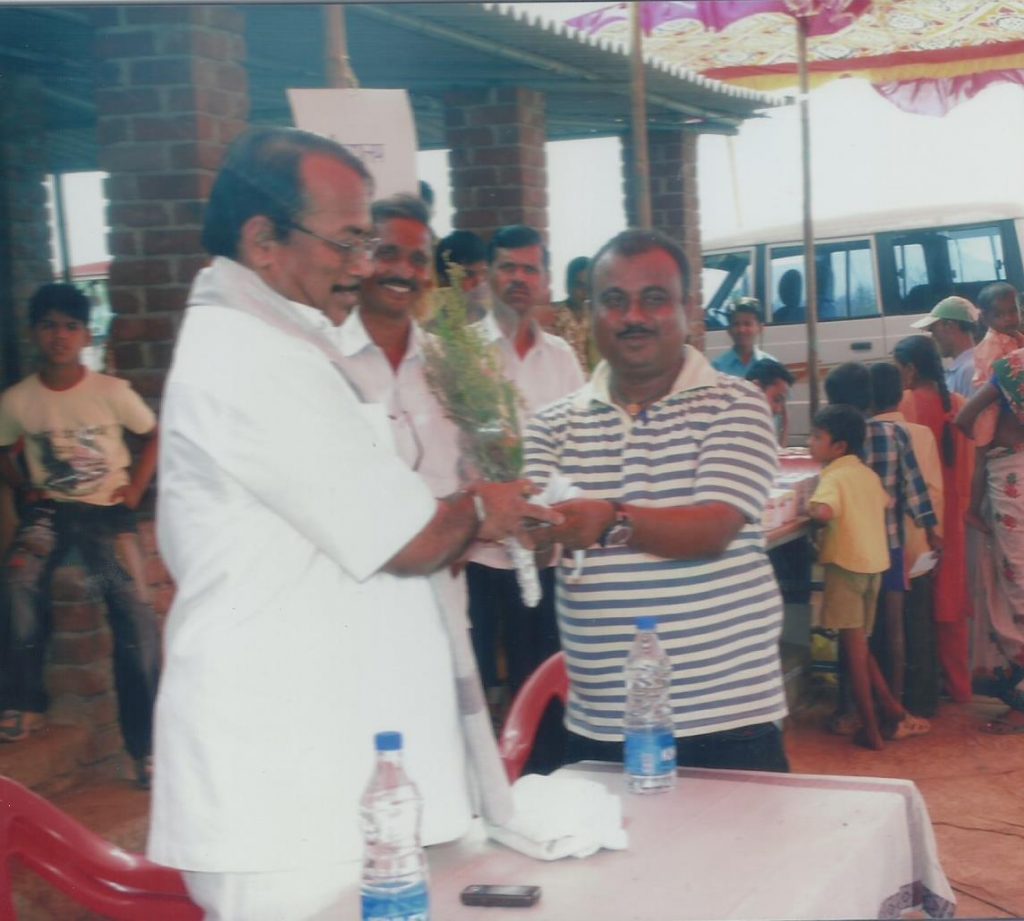
The camp received coverage in regional newspapers including Sanmitra, Gaonkarī, Sakal and Adarsh Badlapur. MLA Kisan Kathore also visited the camp and acknowledged the work being done by the Foundation and its partners.
But for the people who had organised the camp, the more important outcome was much closer to home: 300 people had received medical attention, and 27 people had received a pathway to restored eyesight.
For a young organisation finding its feet, it was an encouraging beginning.
Shirish Patil and the team would continue returning to these communities—not always with a medical camp, and not always with an immediate solution, but with the same willingness to listen and work alongside the people they had come to know.
That continuity would become one of the defining characteristics of Lakshya Foundation’s work.
One camp did not change a village. It began a relationship.